The Government of the Republic of Croatia has issued a decision approving the project titled "Restoration of Mljet Island". The value of this investment amounts to almost two million euros, with funds secured exclusively through the European Competitiveness and Cohesion Programme for the period 2021 to 2027. This move secures free funding in the amount of more than 1.6 million euros, enabling the implementation of complex ecological interventions in an area recognised as extremely important for the conservation of biodiversity.
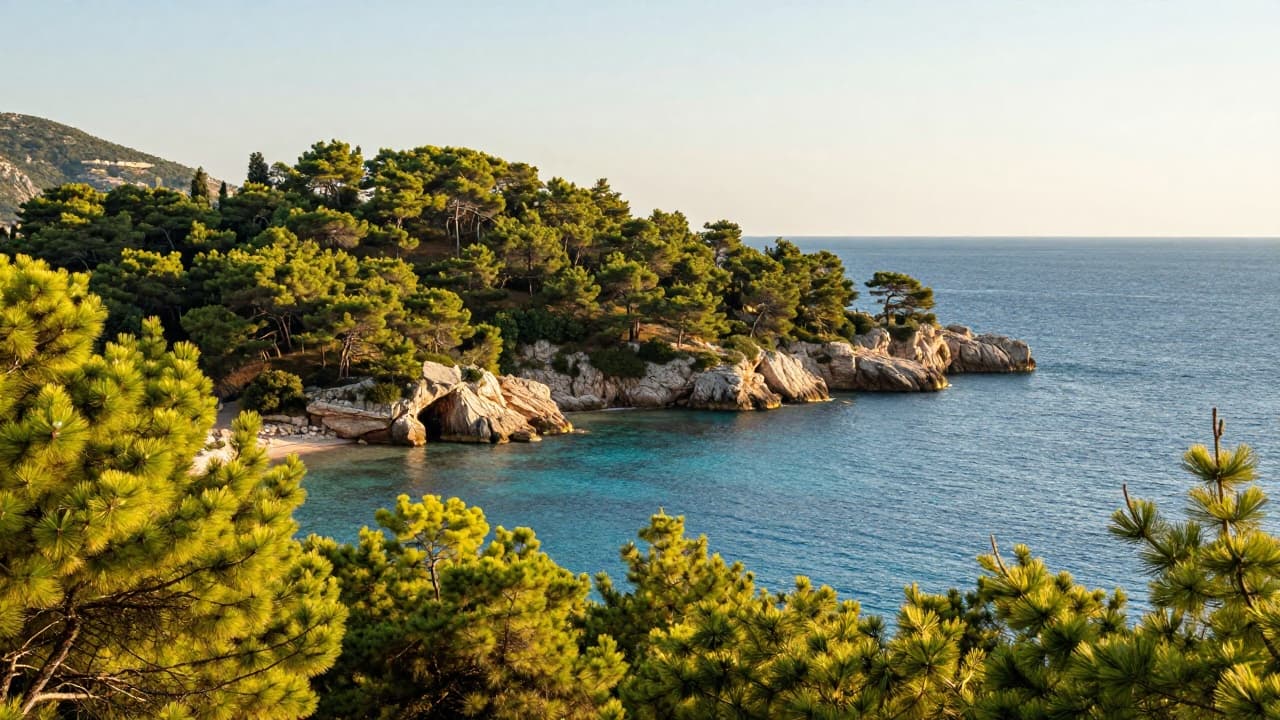
The project covers three key locations: Mljet National Park, the Saplunara significant landscape, and specific areas within the European ecological network Natura 2000. The primary objective of these activities is the conservation of natural values and the improvement of conditions for the protection of plant and animal species, as well as habitats. The strategic approach aligns with the management plans for protected areas, thereby ensuring compliance with national nature conservation priorities.
One of the key components of the project is the further enhancement of fire protection, which is crucial given the sensitivity of the Mediterranean ecosystem. The expansion of existing fire breaks is foreseen, with pine forests removed from these areas to prevent the uncontrolled spread of fire. As part of these works, forest vegetation is to be removed from the Kneževa Polja site, with the aim of preventing its uncontrolled spread into sensitive habitats. During the implementation of these works, the condition of the terrestrial turtle, Mauremys leprosa, is monitored, the protection of which is also part of the broader goal of conserving biodiversity.
Special attention is paid to the protection of sand dunes in the Svaška area. Here, invasive plant species, as well as shrubs and woody vegetation that threaten the stability of the dunes, will be removed. At the same time, protective zones will be established with adapted access paths, thereby reducing the anthropogenic impact on sensitive habitats. In particular, habitat 2110, known as embryonic coastal dunes, is monitored continuously. All the aforementioned measures aim to strengthen the capacity for managing protected areas, ensuring the long-term protection of the unique natural values of Mljet Island. The implementation of the aforementioned activities is planned to take three and a half years, ensuring the high-quality and sustainable implementation of all planned measures.