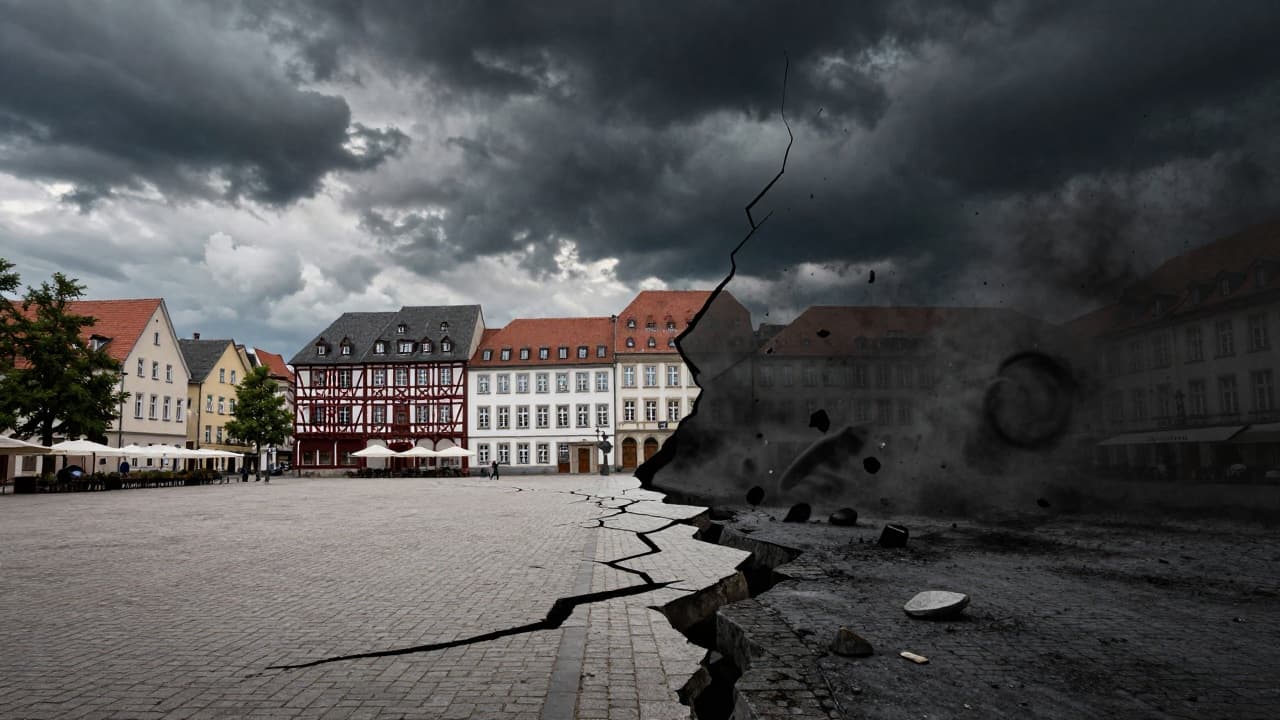
Swedish parliamentary elections are taking place on Sunday, with this election cycle presenting potential turning points in the country's political landscape. The Sweden Democrats, previously marginalised, now have the opportunity for their first entry into government. This development could significantly alter the current political situation in the country.
The party, previously subject to criticism, now appears to have secured sufficient support to become a significant force in Swedish politics. This shift could have long-term consequences, particularly if the party manages to maintain and expand its current support among voters.
On the other hand, the opposition, led by the Social Democrats, is facing challenges in maintaining their position. The Social Democrats, traditionally a strong party in Sweden, will have to face changes brought about by the new political context. Their ability to retain the support of voters and respond to these challenges will be crucial for the future of Swedish politics.
These changes in the political landscape could have long-term consequences for society and politics in Sweden. In particular, they will impact the future of social democracy in the country, requiring caution and strategic planning from all involved actors in the upcoming election cycle.