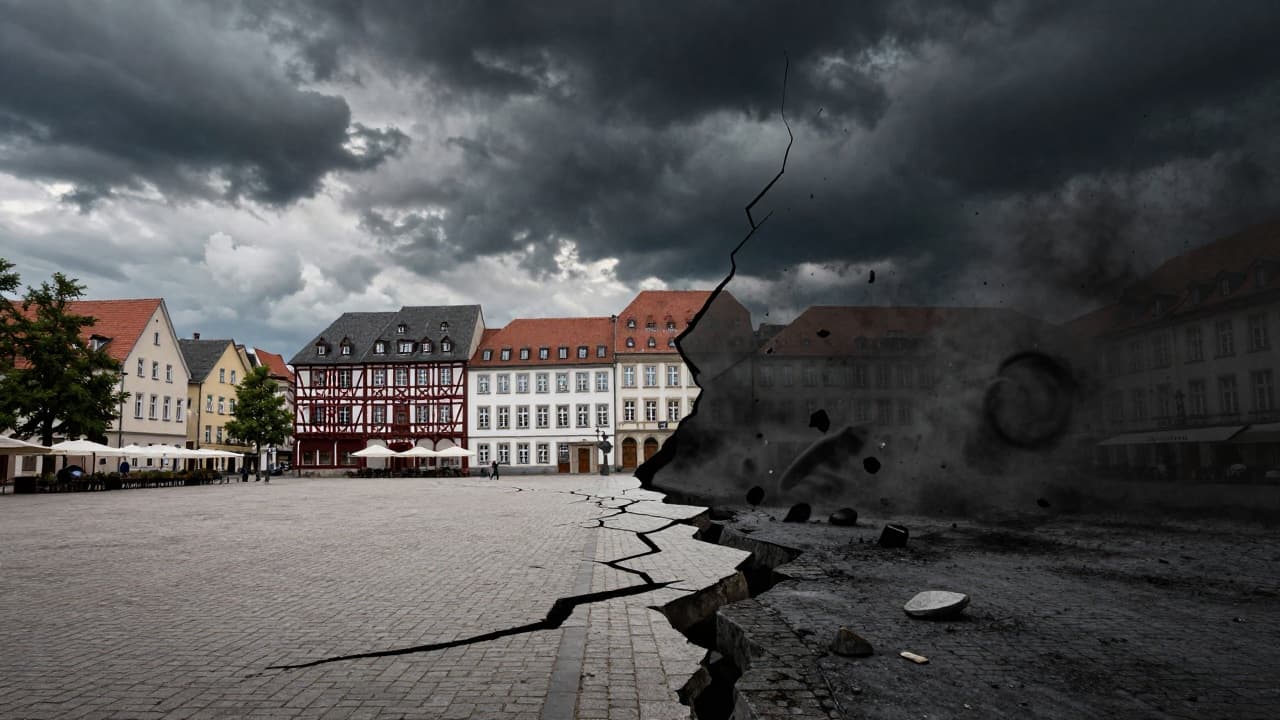
The German political scene is facing profound changes, with a central role in this process played by the Alternative for Germany (AfD). This political force, defined as radical and anti-immigrant, has achieved significant success in the recent elections in the state of Saxony-Anhalt. Although it did not manage to secure an absolute majority of representatives, its presence has become recognizable and inescapable in the local and federal political landscape.
The AfD has emerged as one of the strongest political forces in the country, the result of meticulously designed and expertly managed campaigns. The party successfully employs a simple message that is easily recognised by the electorate, but at the same time, its actions are characterised by a pronounced escalation of political issues. This strategy does not merely inform, but actively divides German society into opposing blocs, creating tensions in public discourse.
The key aspect of the AfD's strategy lies in its ability to leverage the sense of daily challenges faced by citizens, such as the rising cost of living. The party skilfully exploits the perception that the cost of living is increasing and standards are under threat, turning economic insecurity into a political weapon. In addition to economic issues, the AfD promotes traditional values, such as the idea of the male as the sole breadwinner, further distinguishing its voters from the rest of the political elite.
This strategy has direct consequences for the entire political system. The AfD, through its actions and rhetoric, exerts pressure on democrats, forcing them to react and adapt their responses to increasingly frequent challenges. This dynamic is changing the standard patterns of political contest, placing traditional parties under increasing pressure as they strive to maintain their influence in an increasingly fluid political landscape.