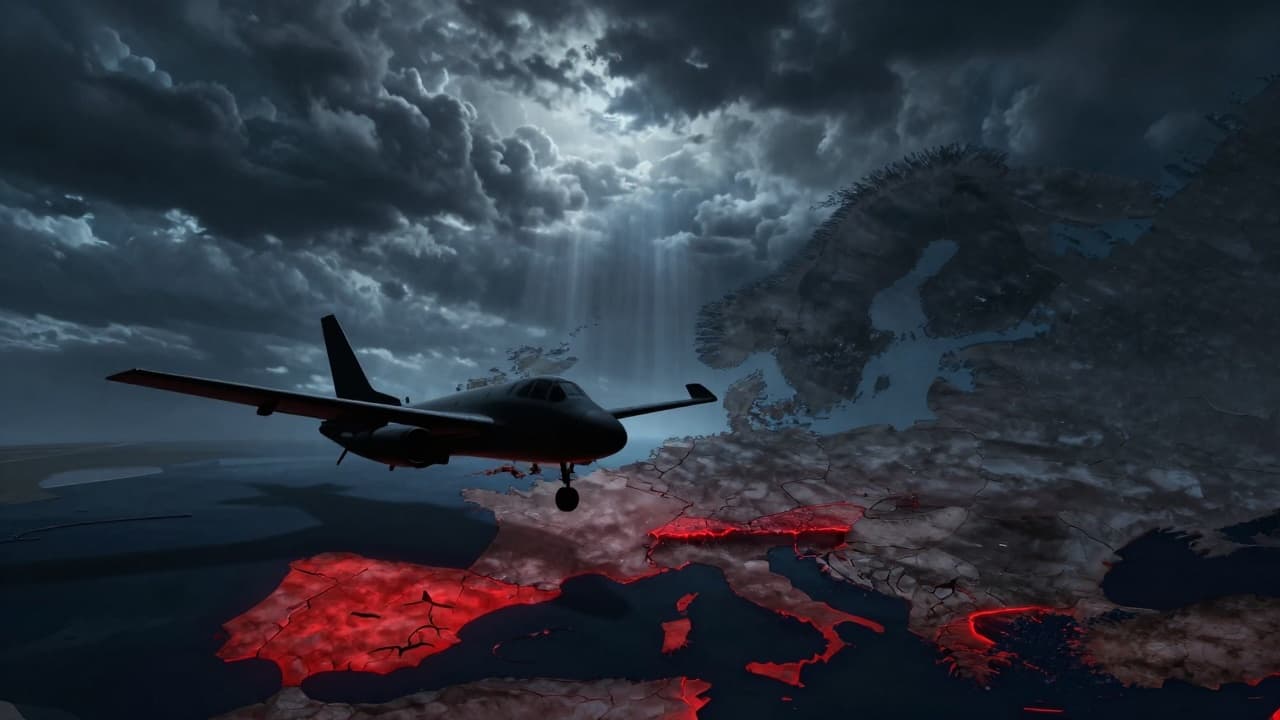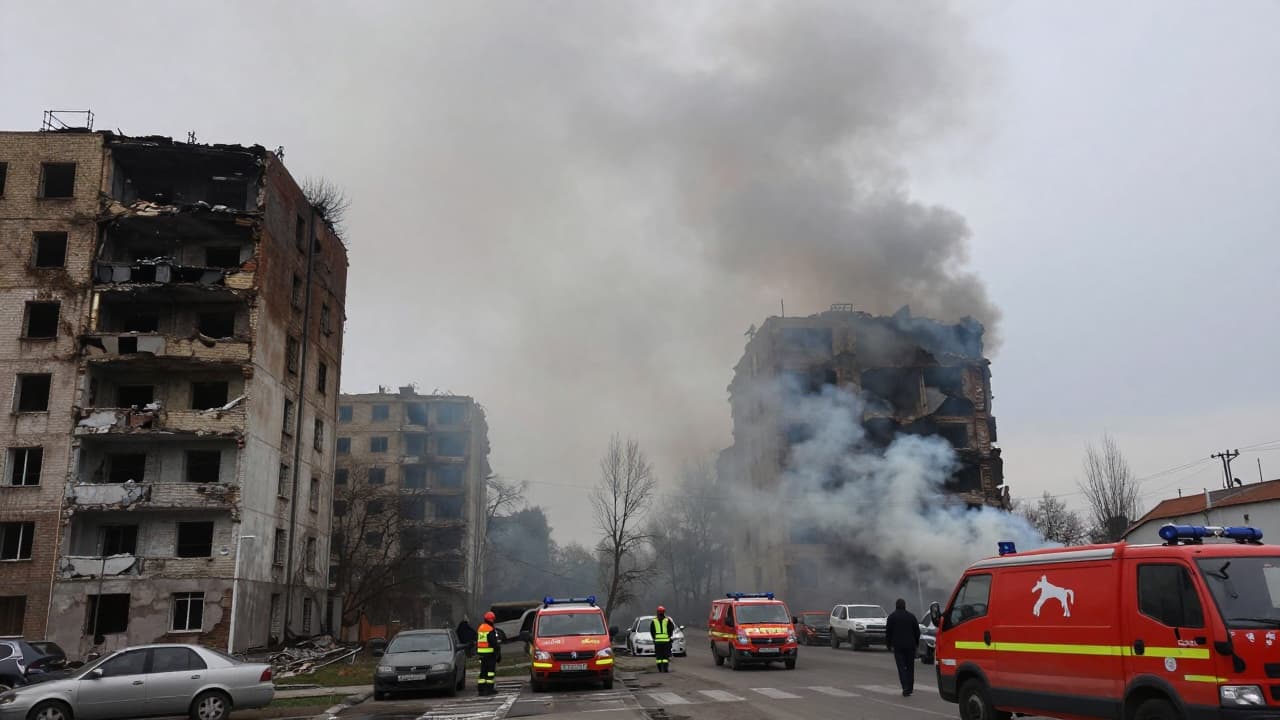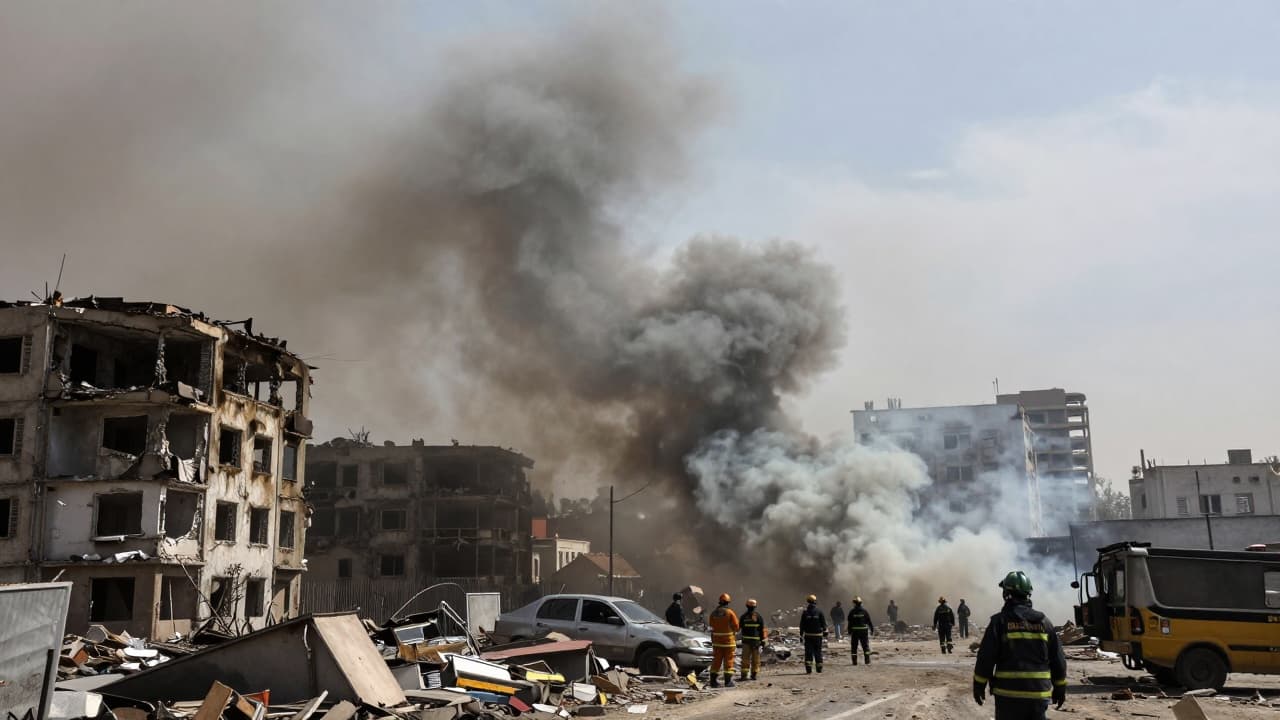
Russia has issued a stern warning to Lithuania, cautioning that the Baltic state could find itself in the crosshairs of its nuclear weapons should it decide to abolish the constitutional ban on deploying nuclear arms. This warning comes as Lithuanian political parties are making progress in reaching an agreement on the necessary constitutional amendments, which would enable a change to the current constitutional status regarding nuclear weapons.
The warning comes in the context of growing tension in Eastern Europe, particularly in light of recent developments in the region. Russia had already deployed tactical nuclear weapons in Belarus in June 2023, further exacerbating the security situation in the region. This move has led to heightened tensions on the border, given that Lithuania shares a border with Belarus, and its capital, Vilnius, is located just a two-hour drive from the Belarusian capital, Minsk.
In the Lithuanian parliament, parties have reached an agreement on the need for constitutional amendments, which is a step towards a potential change in the current constitutional status. This change would allow Lithuania to consider the possibility of deploying nuclear weapons on its territory, a move that Russia views as a direct threat. In support of this change, the parliamentary committee on legal affairs has backed the proposal, with seven votes in favour and two against, indicating significant support within the parliament for this change.
Lithuania, a member of NATO since 2004, holds a strategically significant position in the region, particularly as it borders the Russian exclave of Kaliningrad to the west. This geographical position makes Lithuania a key point in the European security architecture, and its decisions could have significant implications for regional stability. In light of current geopolitical tensions, Lithuania's decisions on constitutional changes are becoming increasingly important, not only for Lithuania but for the wider European community.