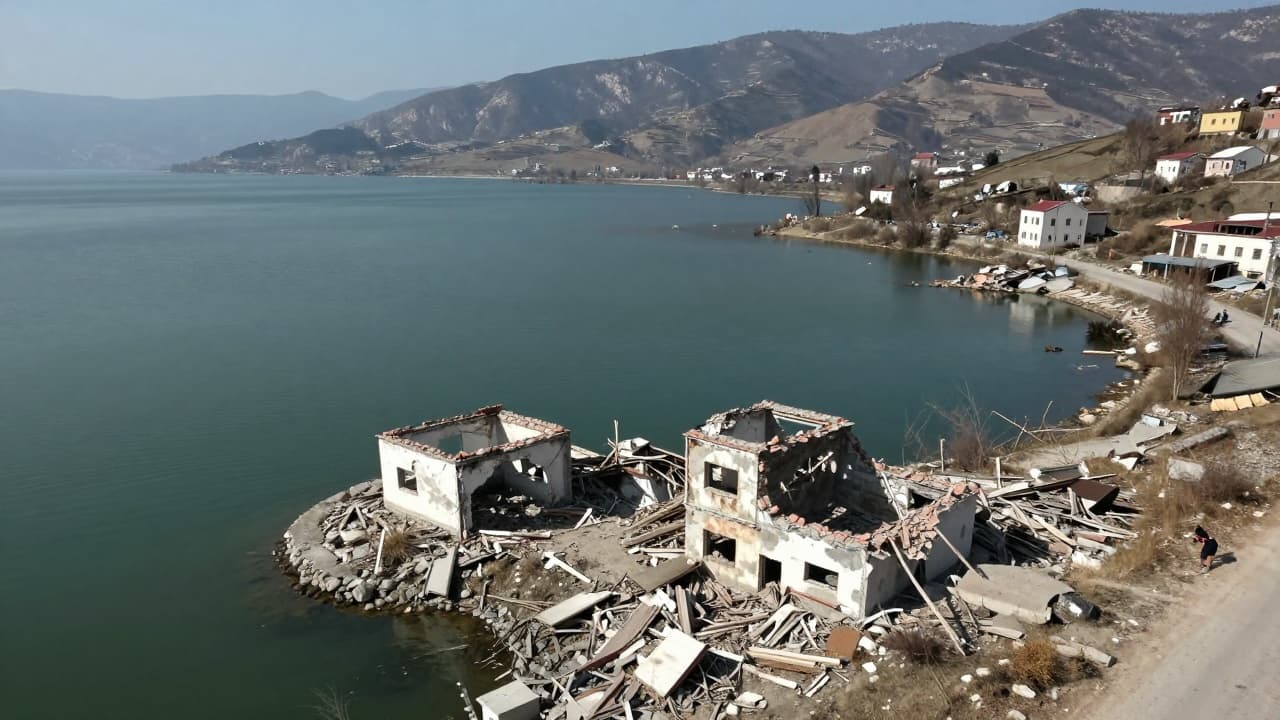
Tensions in northern Kosovo, an area predominantly inhabited by Serbs, have worsened following an action by Kosovo authorities to remove structures by Lake Gazivoda. At the end of July, several villas owned by local Serbs were demolished, including the 'Jezero' motel. This measure triggered strong reactions from the Serbian community and authorities in Belgrade, who view the actions as targeted pressure on the Serbian population.
Kosovo's institutions claim they are enforcing the law and protecting public property. The structures were removed as they were deemed to have been built illegally. The demolition of the 'Jezero' motel was specifically justified, with authorities stating it was located on land managed by the public enterprise Ibar-Lepenac. Pristina maintains that this involves illegal construction and that the rule of law is being restored in the disputed area.
Belgrade and representatives of the Serbs in northern Kosovo reject this interpretation. They describe the action as political pressure on the Serbian community, rather than a technical enforcement of the law. Tensions are particularly acute because Lake Gazivoda is one of the most strategic water and energy resources in Kosovo, giving the area additional significance in the current conflict of interests.
This situation echoes long-standing rhetoric regarding control over the lake. As far back as 2015, then-Prime Minister Aleksandar Vučić stated, 'I will not give up Gazivoda,' adding that being removed from office would not prevent him from defending that interest. That statement became one of the most frequently cited quotes by Vučić regarding the lake, a message he has reiterated on other occasions, indicating the enduring sensitivity of the issue in Serbian political discourse.