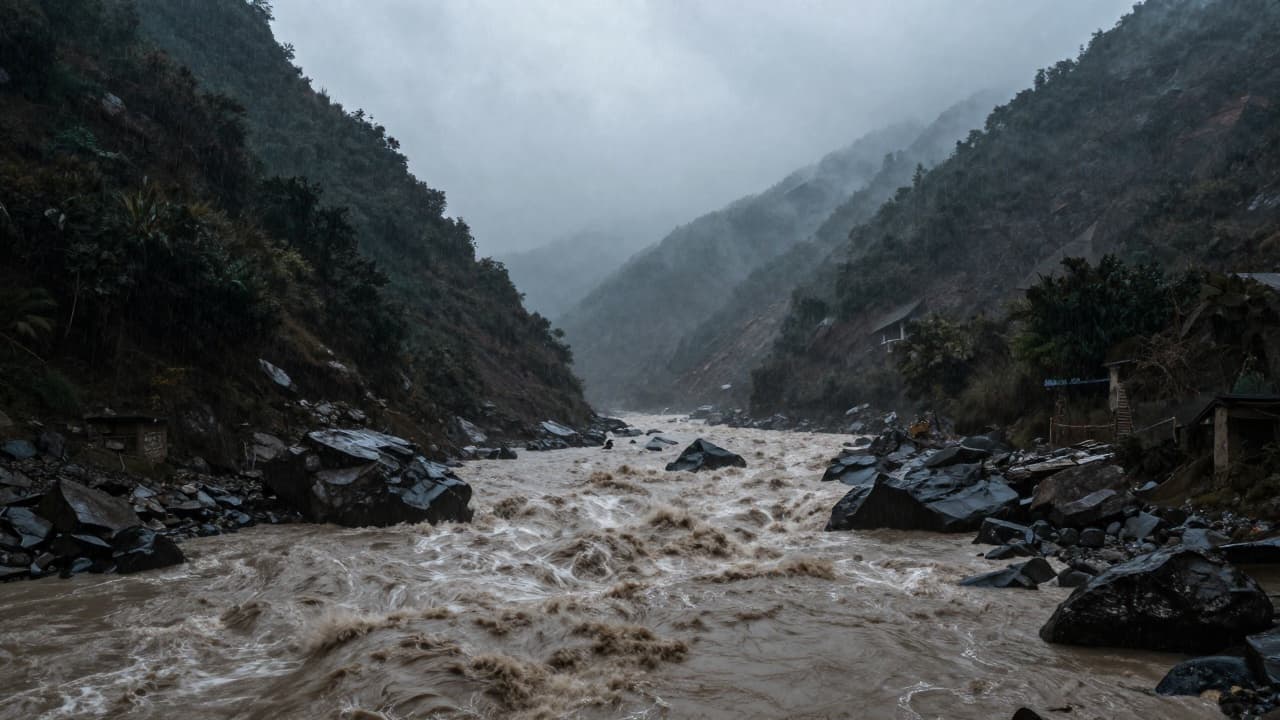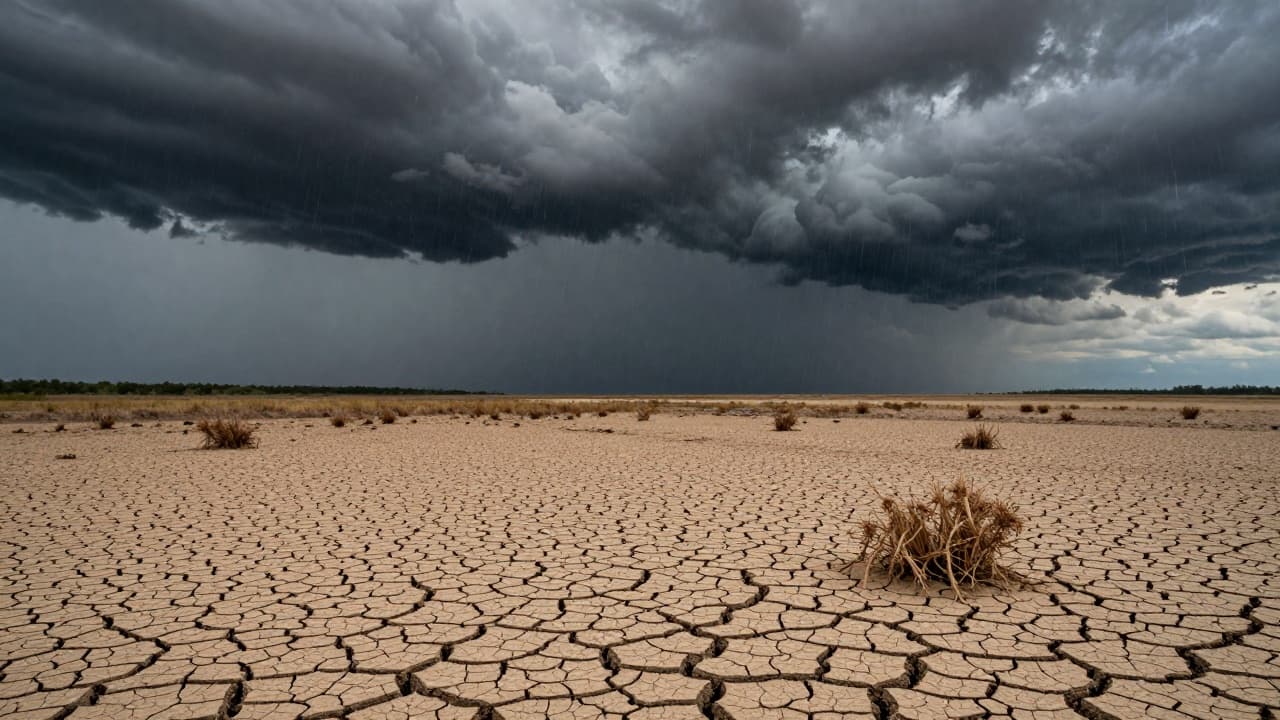
The situation in Sudan remains highly unstable following intensified fighting, which has led to a mass exodus of the population. According to available data, since the conflict began in April 2023, more than eight million people have been forced to leave their homes. This humanitarian crisis is becoming increasingly complex, with seasonal floods further complicating the supply chain and evacuation efforts, placing additional pressure on the local population and humanitarian organisations.
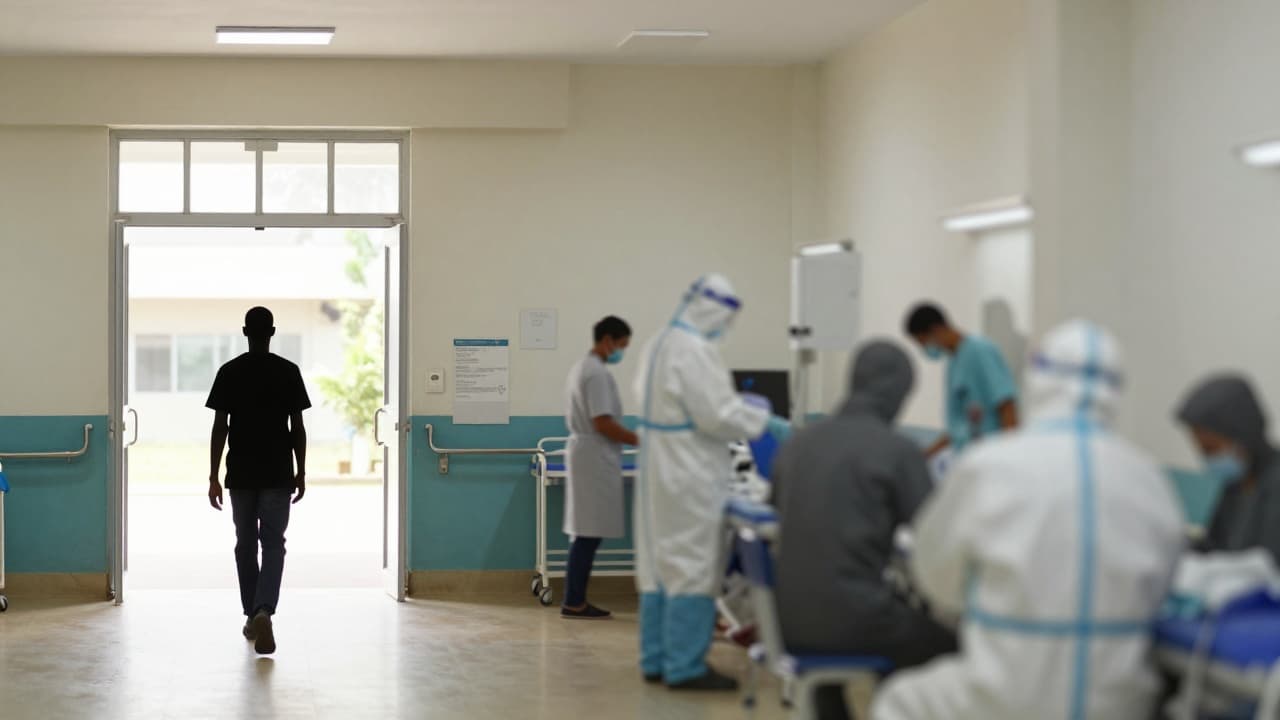
Logistical chains are particularly disrupted, with significant delays. Delays in the supply chain, particularly in the Red Sea and Persian Gulf regions, further complicate the delivery of humanitarian aid to those in greatest need. In these conditions, each day brings new challenges in securing basic foodstuffs and medical assistance for thousands of displaced families.
Although the exact figures are constantly changing due to the dynamic situation on the ground, it is estimated that at least 200,000 people are currently displaced. This group represents only a part of the wider picture, as the total number of displaced people exceeds eight million. The humanitarian community is striving to respond to these challenges, but geographical barriers and political instability continue to present significant obstacles to effective aid.
Given that the situation is constantly changing, it is important to monitor the development of events and the adaptations made by humanitarian organisations. Although efforts are being directed towards alleviating suffering, long-term solutions require more stable conditions and international support. At this moment, it is crucial to ensure that the basic needs of the population are met, despite the challenges faced by humanitarian organisations and local communities.