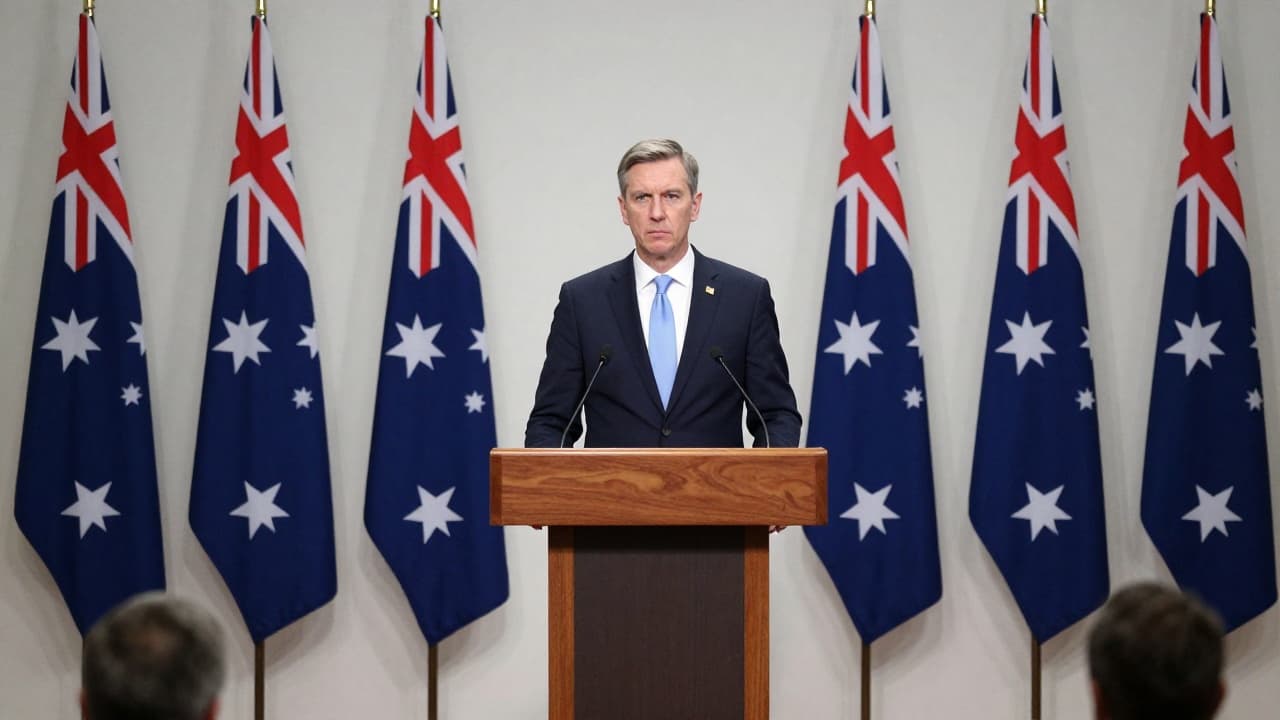
Sebastian Coe, the president of the international athletics federation, stresses that the sport can no longer remain passive in the face of changes in the media landscape. Athletics is no longer asked to be patient; instead, it is expected to adapt to the viewing habits of the audience. It is in this context that the competition format is seen as a key step in demonstrating how a traditional sport can be presented more quickly and dynamically to a wider audience.
The key to the change lies in the competition format, which has been designed to meet the requirements of modern television broadcasting. Coe pointed out that it seems absurd to have seven minutes of waiting time between different parts of the competition. He therefore stresses the need for a faster pace, believing that the faster the event proceeds, the more it retains and attracts a younger audience, which is accustomed to a faster flow of information.
The financial aspect of the competition has also seen significant changes. The prize fund stood at $10 million, creating direct and visible changes in the athletes' lives. Masai Russell, for instance, stated that she won a prize of $150,000, which represents the largest sum of money she has ever earned in 11 seconds. Similarly, Jazmin Obi had $75,000, stating that she could now stay in the sport for a year, highlighting the economic viability of this model.
During the competition, athletes competed in the kits of their national teams, not in generic sportswear. Coe highlighted that this move strengthens the connection between athletes and fans, creating a sense of belonging and shared identity. Although the format is changing, with some changes already having taken place, Coe stresses that the competition has the potential to compete with the Olympics in Los Angeles in 2028. This step represents an important step in the modernisation of athletics, ensuring its survival and popularity in the future.