Belgium’s National Commissioner for the Fight Against Drugs, Ine Van Wymersch, has warned that organised crime is increasingly using flats available via short-term rental platforms as temporary storage. In these premises, criminal groups store not only drugs, but also weapons, large amounts of cash, and sometimes even individuals involved in illegal activities.
The boom in online shopping, delivery services and digital platforms has provided organised crime with new, discreet and extremely flexible ways of operating. This model allows smugglers to quickly change locations and avoid detection, further complicating the work of the police and investigators.
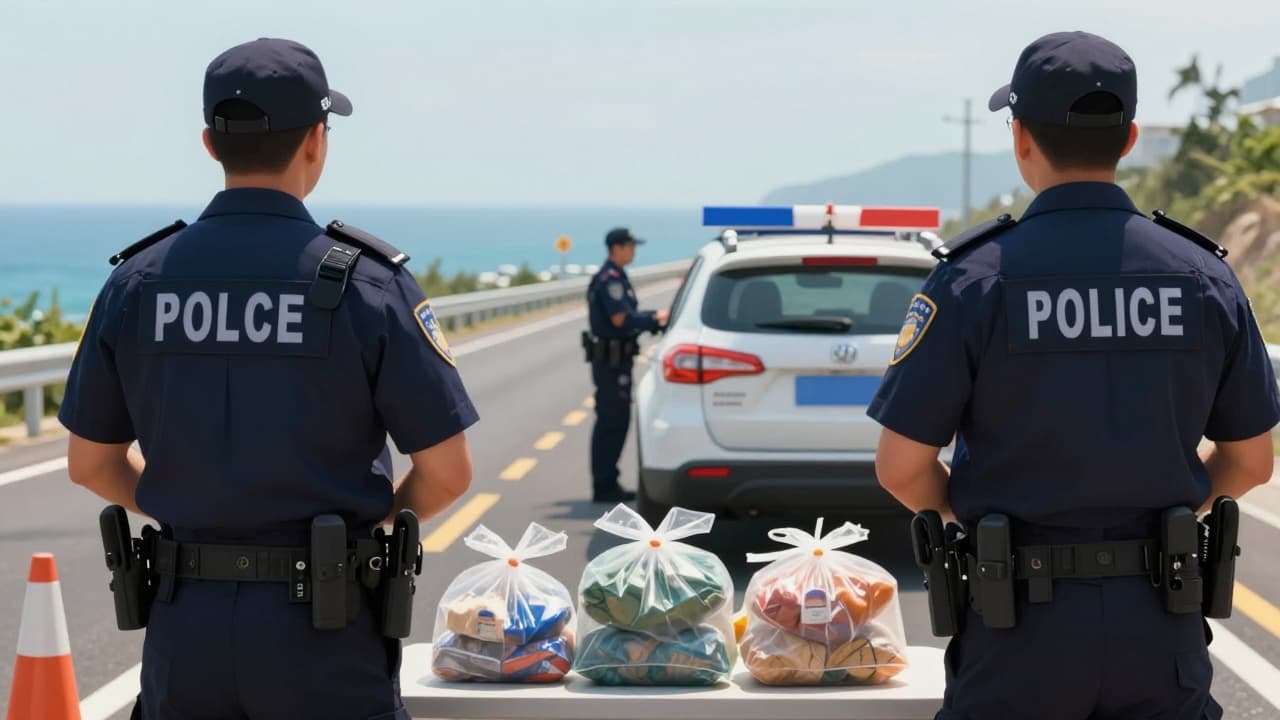
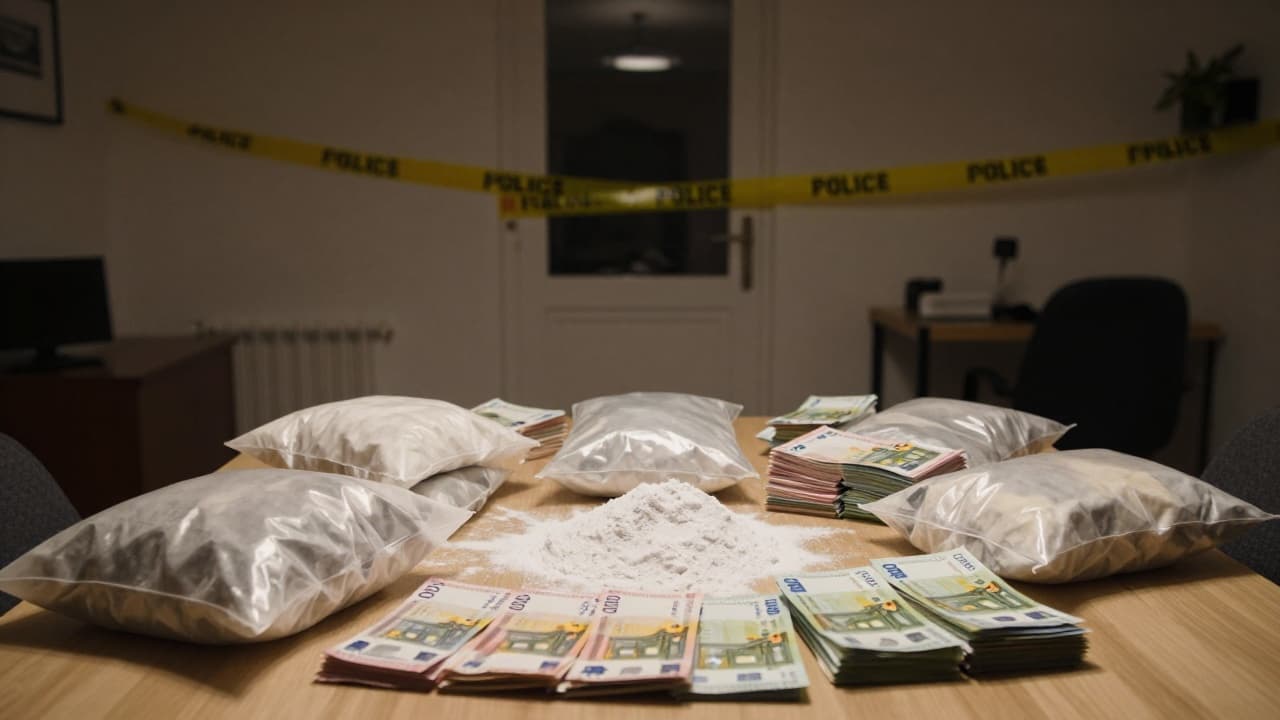
The media is increasingly describing Belgium as a 'narco-state', and the situation escalated following a police operation in early August. In a flat in central Brussels, which had been rented via Airbnb, police found 3.3 kilograms of cocaine and €4,845 in cash. Investigators suspect the premises were used for storing and packaging drugs before their further distribution.
This case recalls a major police operation in 2024, when drugs estimated to be worth €21 million were found in a short-term rental house in Staden, West Flanders. The Staden seizure is linked to a major smuggling network operating between Belgium and the United Kingdom, indicating a broader transnational network.
Clément Eulry, Airbnb’s director for France and the Benelux, stated that such reservations represent a very small fraction of the millions of annual bookings on the platform. An Airbnb representative in Belgium declined to comment directly on specific cases of platform abuse, but the director’s claims suggest that incidents are isolated compared to overall traffic.