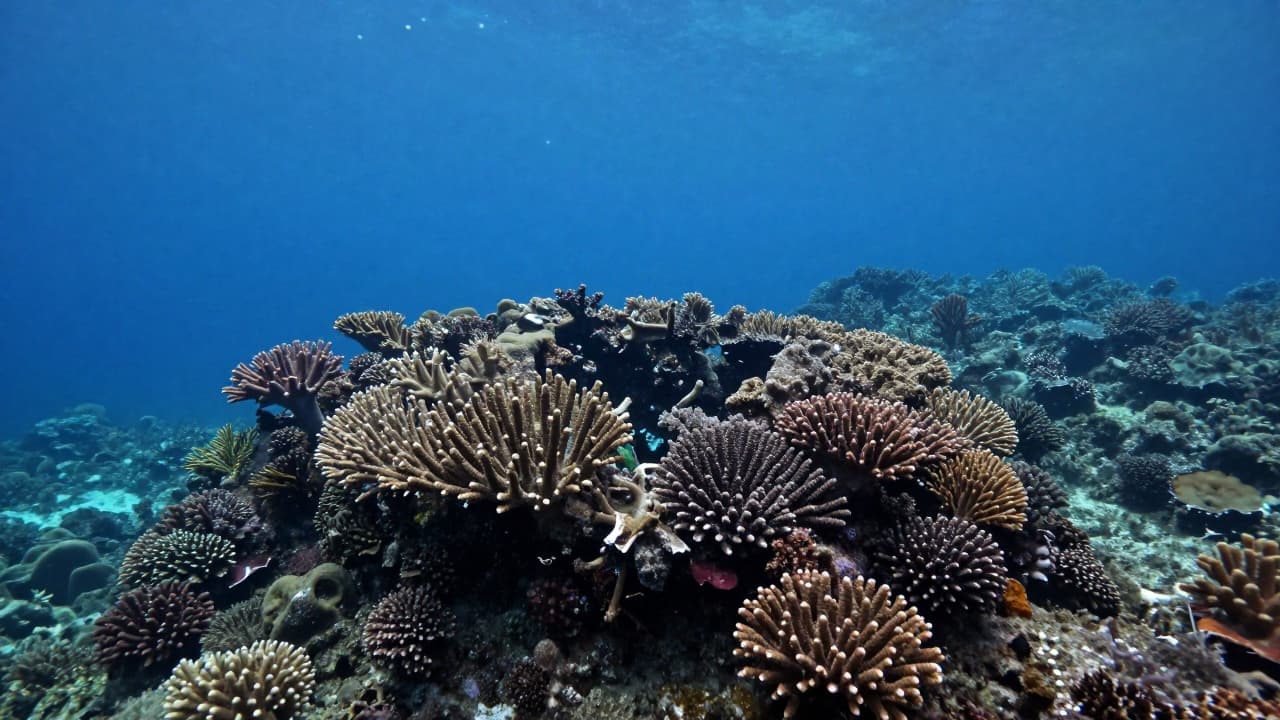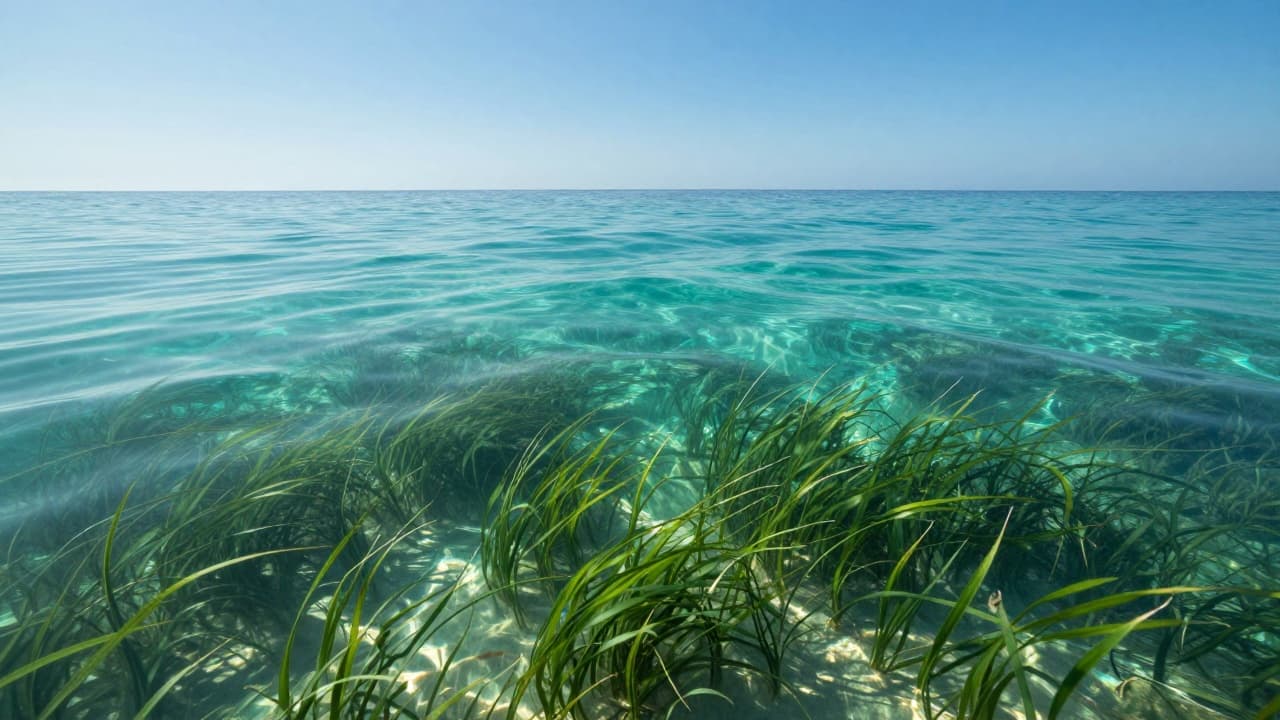
The Blue Observatory has officially been established in Croatia, a new platform designed for transnational cooperation in protecting marine ecosystems. This step is closely linked to the BLUEQ project, the primary aim of which is the long-term monitoring, protection, and sustainable management of the marine environment, with a particular focus on seagrass beds of Posidonia oceanica.
These underwater ecosystems, including the aforementioned seagrass beds, are ranked among the most valuable in the Mediterranean. They are not merely aesthetic elements but form the foundation of rich marine biodiversity. Within their habitats, numerous species find ideal conditions for survival, while simultaneously, the ecosystem provides the necessary space for the growth of young fish, feeding, and shelter. In addition to their ecological role, these ecosystems play a key part in climate change mitigation, as they actively bind and store large amounts of carbon.
The BLUEQ project, at the heart of which lie these vulnerable communities, combines scientific knowledge with the application of monitoring technologies. The aim is to create a robust framework for the practical management of these sensitive ecosystems, ensuring their preservation and resilience to future environmental changes.
As part of the preparations for this new level of cooperation, extensive field research was conducted from October 2025 to July 2026. The research was carried out across four key research areas, covering the territories of Greece, Italy, Albania, and Croatia. A key aspect of this work was the application of standardised, common research methods, which allowed for the comparison of data despite different local marine conditions.
The first results of the data analysis have already been presented, with the site analyses confirming the expected patterns. The research showed that significantly greater species richness and diversity were recorded within these habitats compared to the adjacent bare sediment beds. These findings further confirm the vital role of these ecosystems in maintaining marine biological diversity, thereby justifying the need for continuous monitoring and protection of these critical habitats through a coordinated approach.