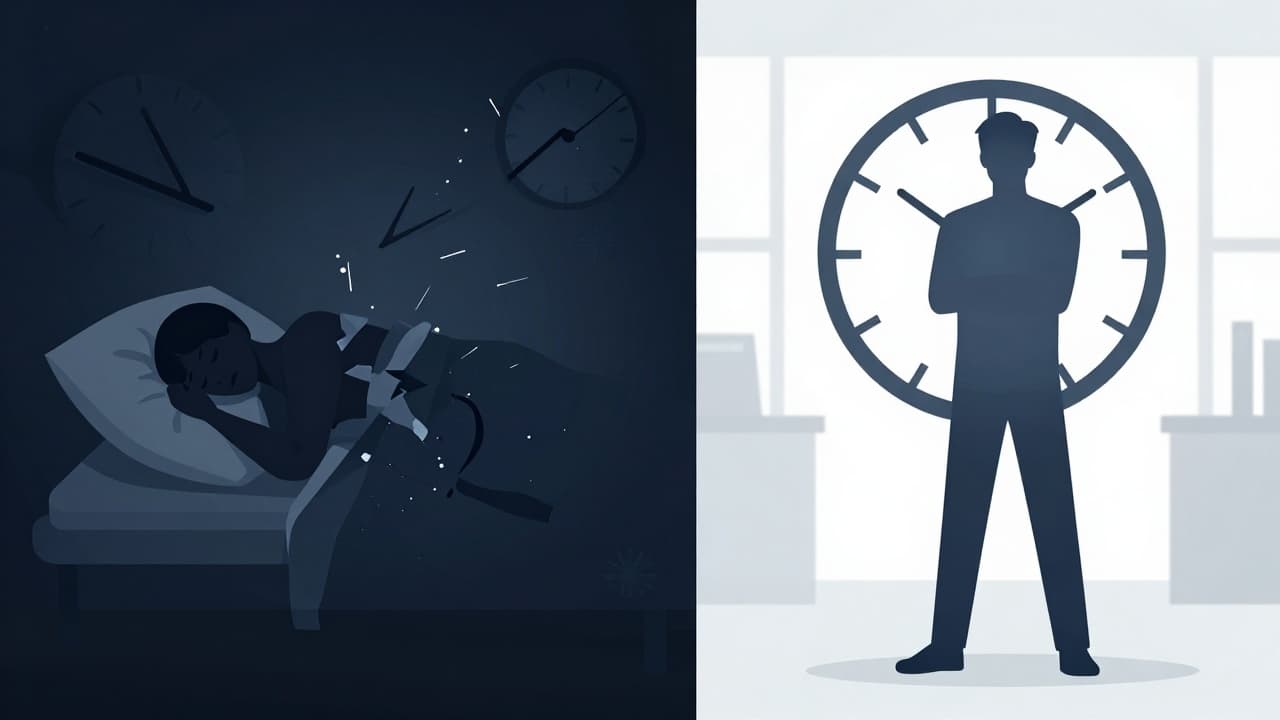
Scientists have identified a set of the most common and harmful myths about sleep that are circulating in the public, warning that the body cannot develop immunity to chronic sleep deprivation. Although drowsiness during the day may seem to settle after a few nights of shortened rest, the body actually ceases to feel the true level of exhaustion, and does not become immune to fatigue. This phenomenon creates a dangerous illusion of safety while harmful effects continue to accumulate.
Lack of sleep has a deep negative impact on numerous vital functions, including decision-making, memory, concentration, creative ability, metabolism, heart and vascular function, the immune system, and general mental health. Scientists stress that the number of hours spent in bed does not guarantee complete recovery if deep, uninterrupted sleep is absent. The quality of rest is just as crucial as its duration, with continuity playing a key role.
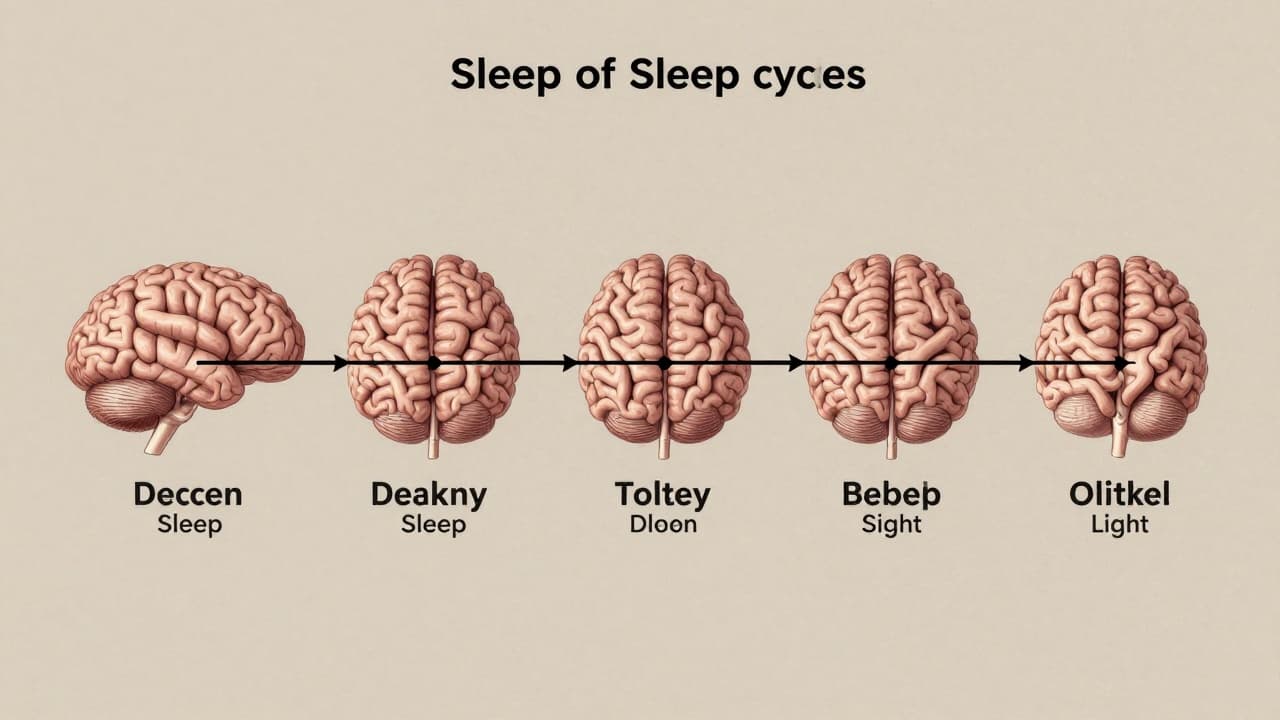
Fragmented sleep disrupts the natural progression through all levels of rest, particularly the deepest stages which are essential for bodily restoration. Sleep disturbance caused by noise, light, or restlessness disrupts natural recovery processes. The consumption of alcoholic beverages has a particularly harmful effect; although they appear to relax and accelerate falling asleep, they disrupt natural sleep cycles. Sleep quality is significantly reduced after alcohol consumption, particularly in the second half of the night when awakenings, difficult breathing, and snoring occur.
Alcohol disrupts the natural sequence of sleep and the rapid eye movement phase, which is crucial for processing emotions and consolidating memory. To achieve optimal sleep, a room temperature between 18 and 20 degrees Celsius is recommended. An overly warm room disrupts natural bodily processes for falling asleep and causes nighttime awakenings, while poor lighting adversely affects the internal circadian clock. Therefore, rooms must be dark and cool, and the cooler side of the pillow headboard serves a real purpose in achieving deep sleep.
If a person lies awake for longer than twenty minutes, it is recommended to get up, move to another room, and spend time in silence with a calming activity without screens. The bed should be associated exclusively with sleep to avoid a mental connection between the bed and wakefulness, as chronic insomnia arises precisely from the strengthening of this connection. A short daytime nap cannot replace a full night's rest because it does not encompass all stages of sleep, and frequent, long daytime rests disrupt the established sleep schedule and make evening falling asleep more difficult. When a daytime rest is necessary, it should last less than half an hour and take place in the earlier afternoon hours, as late-day napping easily creates a sleep lock.