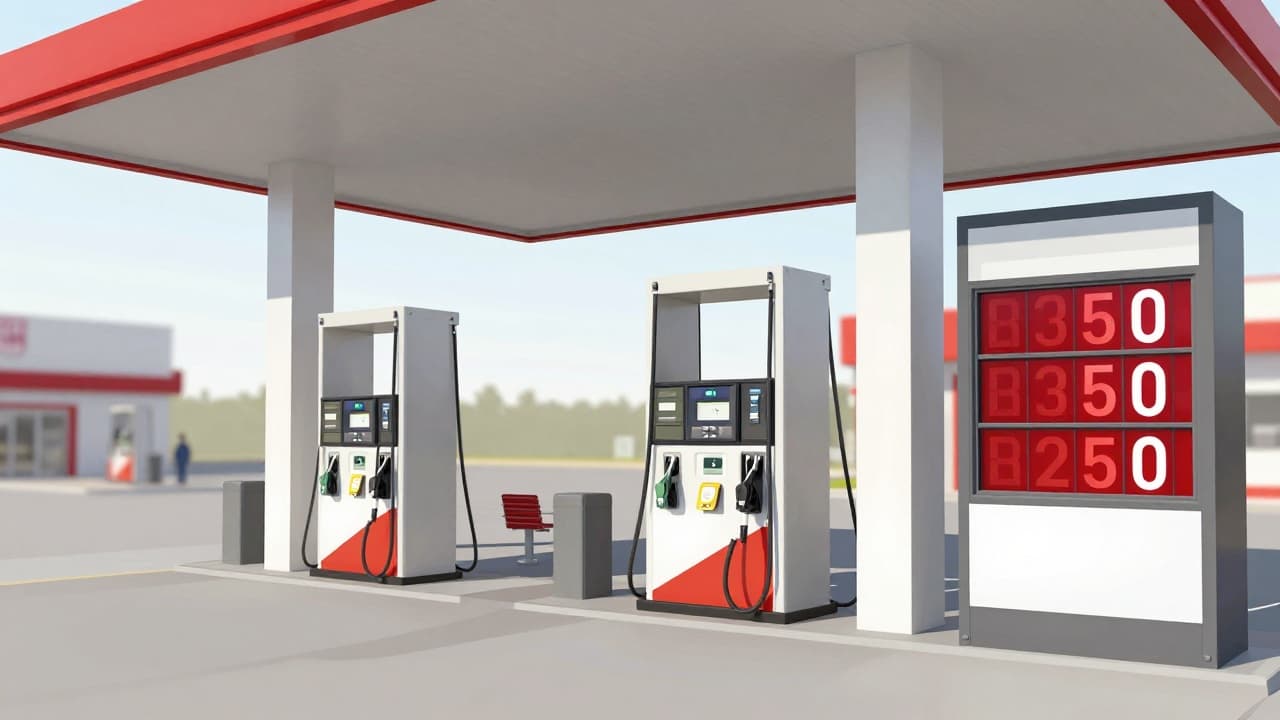
High energy prices, driven by the conflict in the Middle East, pose a significant challenge to the European economy as they directly and indirectly push up inflation. Estimates suggest that higher energy costs increase the risk of secondary effects through wage growth and broader price setting, with energy shocks affecting all sectors of society.
Despite these pressures, Olli Rehn, a member of the Executive Board of the European Central Bank (ECB) and governor of the Bank of Finland, stated on Wednesday that there are currently no signs of secondary effects on wages. Rehn made his comments during his participation in the Nordic SSA Forum in Helsinki, where he noted that wage growth in the euro area is currently moderate.
Forecasts for future wage growth are also assessed as moderate, suggesting that structural inflationary pressures have not yet solidified within the income distribution system. The ECB is carefully assessing how its monetary policy will impact economic activity, monitoring each step to avoid over-tightening while simultaneously curbing inflation.
The European Central Bank raised interest rates in June, and in July confirmed the existing levels of key interest rates. Markets have already begun to price in the tighter monetary policy relative to the period before the conflict erupted, indicating that investors and businesses are adjusting their expectations.
Although energy shocks remain a factor, current wage data provides some assurance that high energy prices are not automatically translating into higher demands for income. The ECB will continue to monitor the situation, bearing in mind that high energy prices remain the primary source of inflationary pressure in the euro area.